
Have you noticed more ads in your feed that look and feel like real users sharing honest opinions about products? That’s not an accident. Brands are increasingly blending artificial intelligence with user-generated content (UGC) to create ads that feel genuine, perform better, and cost less than traditional creative. In fact, global adoption of AI in ad creation grew by 67% from 2024 to 2025, and 84% of marketers now use AI tools for some part of their ad workflow.
In this post, we’ll unpack what AI-powered UGC ads are, why they’re gaining momentum, and what it means for modern marketing.
What are AI UGC ads?
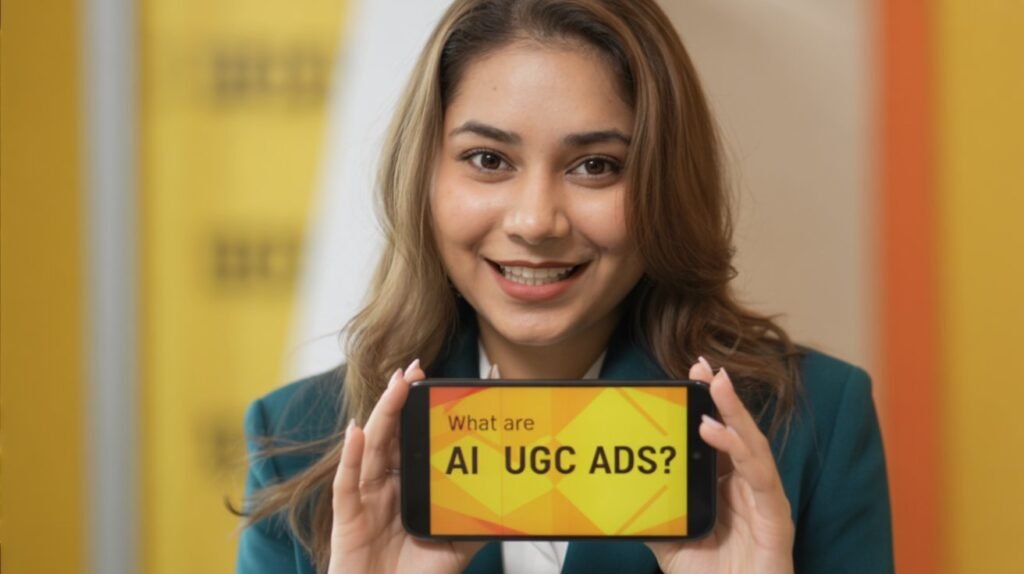
At their core, AI UGC ads mimic content typically created by everyday users. They look like authentic posts, reviews, or short videos that consumers might share themselves. Brands use AI in several ways:
- Content generation: Producing video or copy that appears to come from real users.
- Optimisation and curation: Selecting the best user content and tailoring it for different audiences.
- Personalisation: Adapting visuals and messaging based on individual behaviour or preferences.
This isn’t just about automation. AI can analyse large sets of UGC, identify trends, and reframe content in ways that resonate with each audience segment.
Different styles include testimonial-style clips, short product demo videos, or even avatar-driven content that resembles a user talking about a product.
The Rise of AI UGC Ads: Statistics and Trends
Adoption of AI in ad creation isn’t a fringe trend. Consider these numbers:
- 84% of marketers use AI tools for ad creation.
- AI-generated ads have 22% higher click-through rates (CTR) than traditional ads.
- Personalised AI creatives deliver 33% higher conversion rates on average.
- AI-enhanced visuals on platforms like Instagram can boost engagement by up to 45%.
And it’s not just about output. The broad shift toward AI tools reflects how marketers are transforming their workflow. Only 12% of advertisers reported not using AI tools in their workflow in 2025.
These metrics show that AI UGC ads are not simply “a trend”. They’re becoming a standard part of how brands engage audiences.
Key Benefits Driving the Adoption
Real-Time Results and Optimisation
With AI, brands can test and adjust creatives in real time. Instead of waiting weeks for results, teams can see which versions of UGC-style ads drive clicks and conversions within days. AI-driven A/B testing can boost performance by up to 38%.
Imagine launching a dozen versions of a short-form testimonial video optimised for different age groups, then instantly pausing the underperformers.
Enhanced Authenticity and Trust
Consumers increasingly trust content that feels authentic. Across Gen Z and millennial audiences, UGC is viewed as the most genuine form of advertising, with 70% of Gen Z saying it’s very helpful in their buying decisions.
AI can curate the most compelling real user clips, clean up formats, and even produce content that feels human while maintaining brand alignment.
Scalability and Efficiency
Producing large volumes of content with traditional teams takes time and money. AI can help brands automate the following:
- Content curation and moderation
- Layout and format adaptations
- Multiplatform repurposing
According to platform data, AI-powered UGC efforts can reduce production costs by up to 89%, while generating unlimited variations of ad creatives.
Personalisation and Targeting
AI excels at tailoring messages based on user behaviour. Instead of one-size-fits-all ads, brands can deliver UGC ads that reflect individual preferences, boosting relevance and engagement.
This kind of personalisation helps conversion rates, especially in e-commerce and direct-to-consumer campaigns where contextual relevance matters most.
Cost-Effectiveness
Compared with traditional ad production, AI UGC ads are faster and cheaper. A brand-produced video can cost tens of thousands of dollars and take weeks to produce. With AI, the same creative work can be generated in days at a fraction of the cost.
This cost advantage makes AI UGC accessible not just for big brands but for smaller businesses too.
Brands Leading the Way
Here are some leading brands experimenting with AI-enhanced UGC styles:

Coca-Cola
Coca-Cola used AI to generate UGC-like visuals for social campaigns. By analysing actual user content and generating contextually similar assets, the brand saw significant engagement increases.
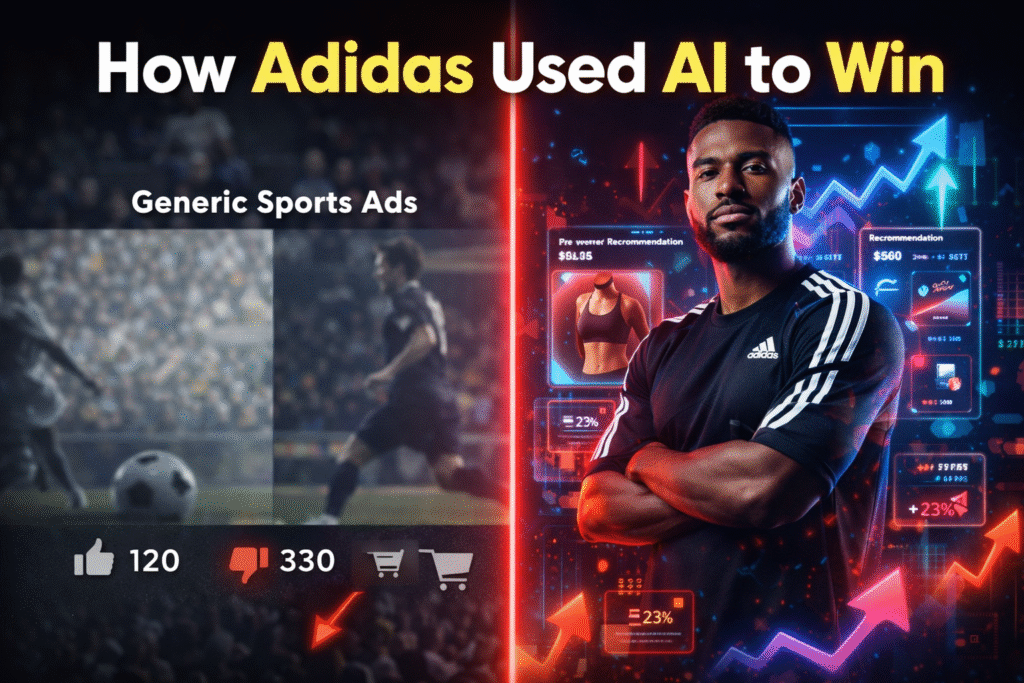
Adidas
The sportswear brand applied AI to personalise product recommendations and create user-style ad content. Adidas reported notable lifts in click-through and conversion rates on these personalised campaigns.
Glossier and Starbucks
While their UGC efforts rely heavily on real user submissions, brands like Glossier and Starbucks increasingly use AI tools to curate, edit, and optimise this content for wider campaign use.
These examples show a spectrum of how AI is used—from enhancing real UGC to generating new creative content that blends brand and user aesthetics.
Potential Challenges and Considerations
AI UGC ads bring benefits, but there are real challenges:
Data Privacy Concerns
Using real user content requires clear permissions and careful handling of personal data. Brands must ensure compliance with data protection regulations.
AI Bias
AI models can reflect societal biases if not carefully monitored. This can lead to unintentional exclusion or misrepresentation in ads.
Audience Trust
Some consumers view AI-created content sceptically. Research shows that a significant share of people feel uneasy about ads they know are AI-generated.
Human Oversight Needed
AI should assist, not replace, human creative judgement. Having experienced marketers guide AI tools helps maintain tone, relevance, and appropriateness.
A balanced approach is to use AI for scale and speed while retaining human oversight for sensitive or brand-critical decisions.
The Future of AI UGC Ads
Looking ahead, AI UGC ads are likely to become more immersive and interactive. Emerging techniques include virtual try-ons, AR and VR experiences with synthetic user endorsements, and voice-first AI testimonials.
AI will also continue improving personalisation. With better sentiment analysis and behavioural data integration, ads will feel more contextually relevant than ever.
Predicting the trajectory, we’ll see:
- Wider use of real-time adaptation in live campaigns
- More nuanced blending of real and AI-generated content
- Increased use in e-commerce and performance-focused media buys
- Greater audience segmentation and tailored experiences
Brands that leverage these capabilities early will likely outperform competitors in engagement and conversion.
Conclusion
AI-powered UGC ads represent a powerful shift in digital advertising. They deliver higher performance metrics than traditional creatives, scale quickly, and deliver cost savings—all while resonating with audiences who crave authenticity.
For brands looking to stay competitive, embracing AI in UGC is not just an option—it’s becoming a standard expectation.
If you haven’t explored AI UGC solutions yet, now is the time to start testing. Begin with small experiments, measure results, and scale what works.
Continue the Conversation: Why Brands Are Switching to AI Ads
If you found this analysis useful, you’ll also enjoy our latest LinkedIn post exploring how global brands like Coca-Cola, Nike, and Adani are already leveraging AI advertising to drive engagement, personalisation, and smarter marketing performance.
The post breaks down how AI enables the following:
• Personalised advertising experiences
• Faster and smarter ad content creation
• Cost-effective campaign execution
• Improved customer engagement through AI tools
It’s a quick, practical read showing how AI advertising is moving from experimentation to mainstream adoption.
👉 Read the full LinkedIn post here: [Insert your LinkedIn post link]
Stay ahead of marketing trends by following the latest updates and insights on AI-powered advertising.
Author
AI Coach – Kumkum Shinde
AI coach and digital marketing specialist helping brands and professionals leverage AI-driven marketing and advertising strategies for scalable business growth.